
In the open, $200–$500
A visible, reachable burst, garden, garage, accessible wall, cut out and repaired at business-hours rates.
A burst announces itself somewhere convenient, a ceiling stain, a soggy lawn, and hides somewhere else entirely. We isolate the water, trace the line to the actual failure, and replace the broken section properly. Then it holds a mains-pressure test before a single surface closes. Killara and the Upper North Shore, day or night.
Pipes rarely burst without a biography. Killara’s older homes run copper laid generations ago, thinning quietly from the inside until mains pressure finds a weak micron; galvanised steel rusting at every thread; and renovation-era junctions where old metal meets nineties plastic meets modern PEX, each connection a wager against time. High street pressure across parts of the Upper North Shore settles those wagers early.
Then the water lies to you about the address. It runs the outside of the pipe, follows timber, and surfaces metres downhill of the failure: which is why opening the ceiling under the stain finds wet plaster and nothing to fix. We refuse to guess: the line is traced with listening gear, thermal imaging and section pressure testing, the failed piece is cut out, and the repair proves itself on a gauge before the plaster goes back on.


Many grand Federation homes still run original earthenware drains that crack and shift with age, letting roots and debris in.
Most heritage-era houses are a layered record of every plumber who has worked on them: original galvanised in the untouched parts, copper from a seventies bathroom, and modern pex from whatever was done last.
That matters because a burst tells you about one section, not the house. We will say which era failed and whether the rest of that era is still in service, which is the difference between a repair and an informed decision about the next five years.
On sloping ground water leaves a failed pipe and travels, following the easiest path under the surface until something stops it. It can emerge metres downhill, in a neighbour's yard, or against a retaining wall.
Killara’s elevated, sloping garden blocks send heavy-rain runoff surging through stormwater pits that choke on leaf litter and back up.
So digging where the water appears is usually digging in the wrong place. Correlation and acoustic equipment work uphill from the symptom, which on a steep block routinely saves several metres of unnecessary excavation.
Killara sits in leafy Ku-ring-gai on Sydney’s Upper North Shore (postcode 2071), a heritage suburb of grand Federation homes on large blocks between Lindfield and Gordon on the North Shore rail line. With mature trees lining nearly every street and older clay pipework beneath them, local drains see plenty, and we know the ground here well.
Not every escape of water is a burst pressure pipe. A cracked or collapsed drain leaks too, slowly, without a pressure drop, and often for months before anything shows.
The distinction matters because the repairs are different jobs at different prices. A pressure leak shows on the meter with every tap closed; a drain fault does not, and it is found with a camera rather than a listening device.
Decades-old sewer runs beneath large heritage properties sag and collapse over time, needing a camera and the right fix to sort properly.
Homes plumbed before the 1960s were run in galvanised steel, which corrodes from the inside out. The wall thins invisibly for decades while the bore narrows with rust, so the first symptom is usually poor pressure rather than a leak.
When it finally goes, it goes at the thinnest point rather than the most convenient one. If your pressure has been declining and the water runs brown after the house has sat empty, that is the pipe telling you what it is made of.
Not every burst announces itself. A pressure leak under a slab or inside a wall can run for months, and the symptoms are indirect: a water bill climbing without explanation, a warm patch on the floor, a musty smell, paint lifting at skirting level.
The free first test is your meter. Turn every tap off, note the reading, and check it an hour later. If it has moved, water is leaving somewhere, and that is worth finding before it finds you.
A visible, reachable burst, garden, garage, accessible wall, cut out and repaired at business-hours rates.
Adds the tracing and the careful access: finding the true split before opening anything, so only one hole gets made.
Detection gear, concrete access or a reroute. Precision here is the whole cost battle, small hole, right place.
Roughly $180–$250/hr against $120–$160 daytime, plus call-out. With the meter off, morning is sometimes the smarter spend, we will tell you honestly.
Leak detection's first hour, locating the failure before demolition, reliably cheaper than exploratory holes.
Every repair leaves pressure-tested and carries a lifetime workmanship warranty. Figures here are indicative of the 2026 Sydney market rather than a quote from us, you get your own number as a fixed price before any work starts.
Meter valve, clockwise, done: flood over before we leave the depot. On site we isolate just the wounded line where the plumbing allows.
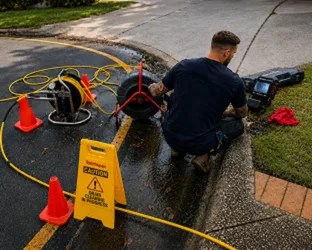
Acoustic, thermal and pressure evidence: because the failure is almost never beneath the stain, and guessing costs plaster.

The bad section comes out; new pipe goes in. If the exposed run says "replace me entirely", you get that verdict with prices for both paths.

Full mains pressure against the repair while everything is still open. It passes, then the surfaces go back, in that order only.
Shut the meter valve, then call. We will talk you through making it safe while a crew heads your way.
What people ask us with the water off, answered before you need them.

Water off? Good: now let us get it back on. Fixed price before the repair starts, pressure-tested before we leave.

Leave your details and our local Killara team will call you back fast.